
Japan was Intense...
But nature is what saved us
When we booked our family trip to Japan, I imagined culture, incredible food, neon lights and magical family memories.
What I didn’t picture was spending two weeks navigating crowds, queues, train stations, overstimulated children and the constant battle of lugging a suitcase, pram and backpacks up a series of “death stairs”, as the kids call them. So steep. So narrow. The kind where one wrong step feels like it could send you tumbling three storeys down.
Don’t get me wrong. We love Japan…this was our second trip. But this trip was hard. Harder than I expected. Harder than our month travelling through Malaysia with the kids. Harder than I think most Instagram reels would have you believe.
Travelling through Japan as a family often felt like sensory overload on expert mode, amplified by the fact we were travelling with a toddler, a six-year-old and a ten-year-old, all with their own neurospiciness.
The cities are extraordinary, but they’re also intense. Everywhere we went there were people, thousands and thousands of people. Tourists, locals, school groups, tour groups and commuters all moving with purpose while we tried to keep track of hyperactive children, bags and whatever snack someone urgently needed at that particular moment.
There were train stations packed shoulder to shoulder, crowded footpaths, traffic, noise, bright lights and lines. So many lines. Lines to enter attractions. Lines for food. Lines for tickets. Lines for lifts. At one point I honestly felt like I was spending half my holiday standing in a queue waiting to stand in another queue.
For adults, it’s tiring. For children, especially children who struggle with anxiety, sensory overwhelm or changes in routine, it can be a lot. We noticed it in ourselves and we definitely noticed it in the kids. The more crowded the environment became, the more everyone’s patience seemed to disappear. Little frustrations became bigger frustrations and small disagreements somehow became major meltdowns.
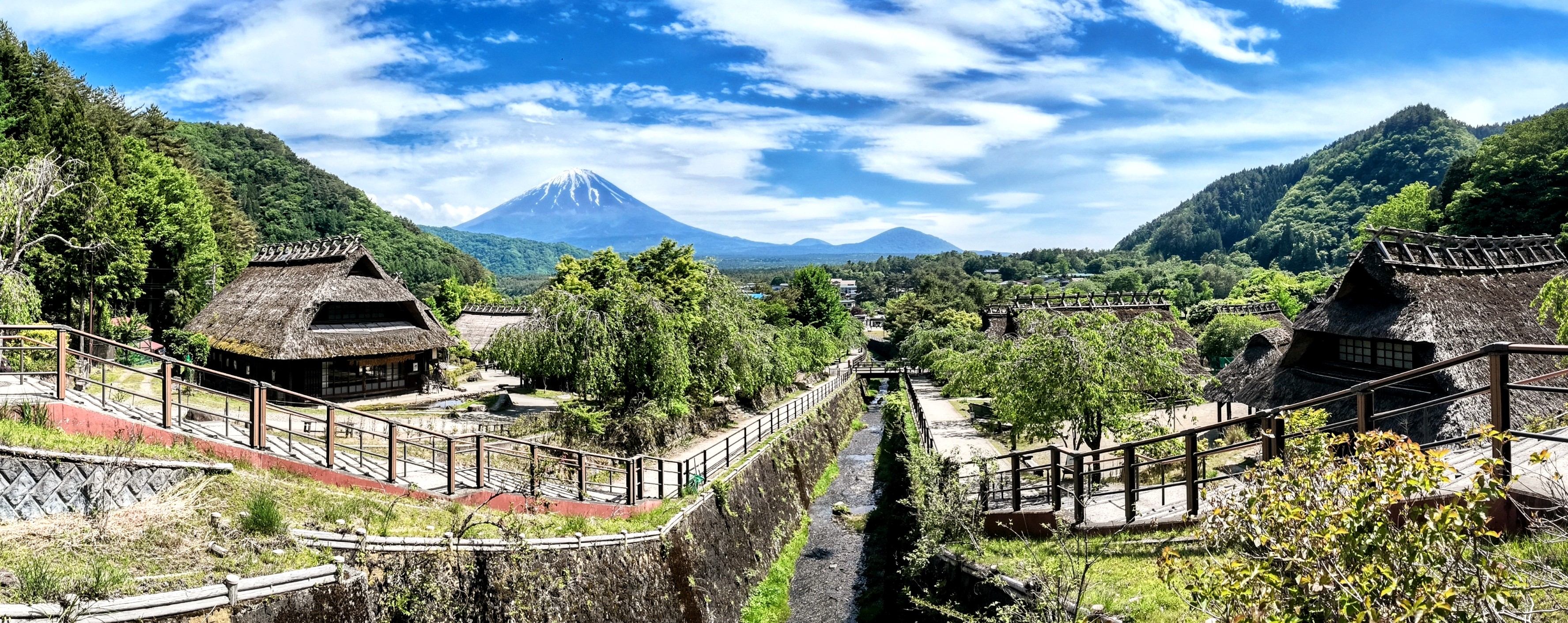
But in between all of this there were moments of pure calm, peacefulness and freedom. The first time I really noticed it was around Mount Fuji. This was our favourite area from our previous trip and it was our number one priority to spend more time there.
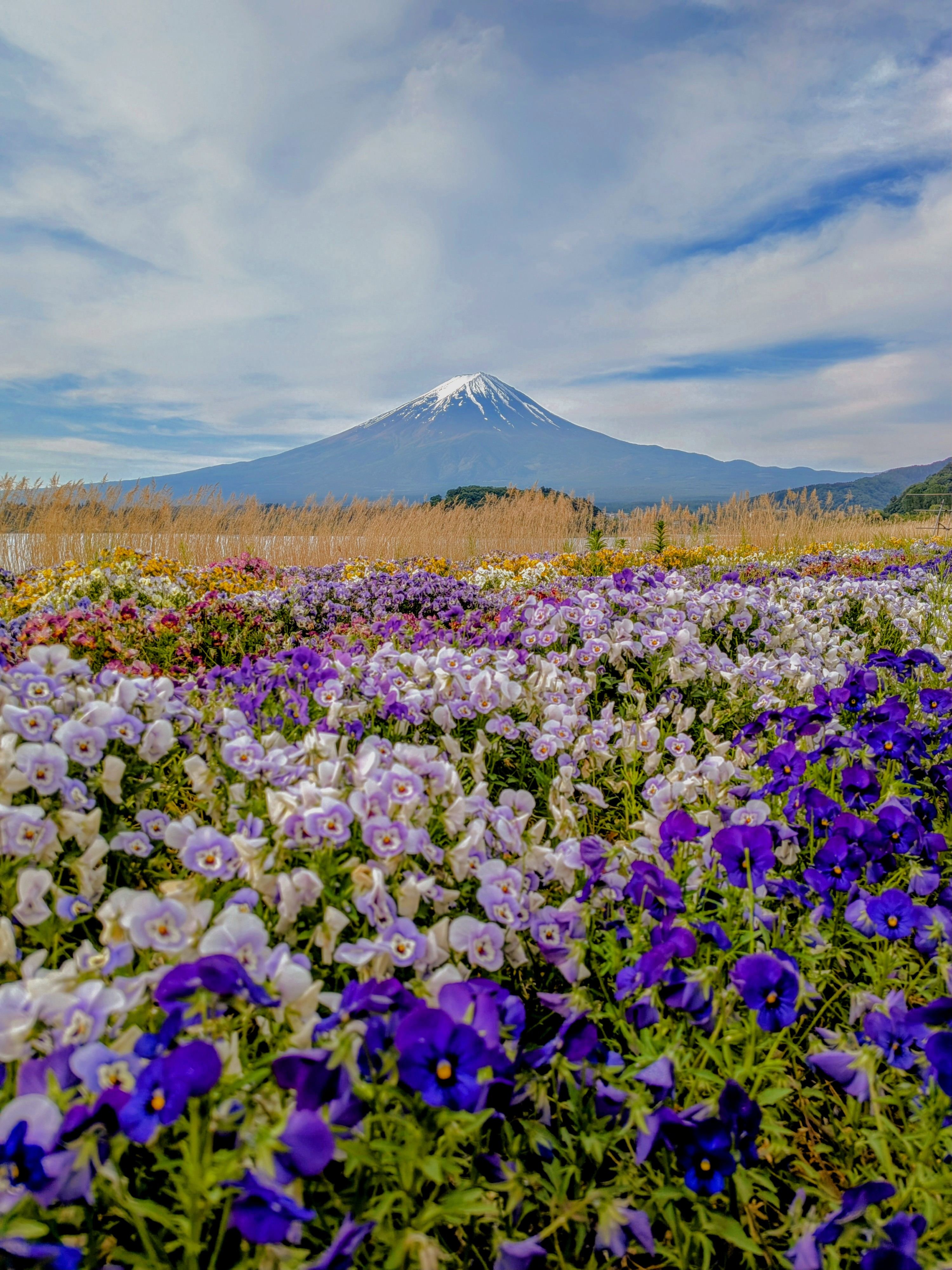
We caught the Shinkansen to Mishima, hired a car and started exploring the area around Fujikawaguchiko. Within a couple of hours, it felt like someone had physically turned down the volume on our entire holiday. Suddenly there was space. Space to move and space to think. The roads were quieter. The air felt fresher. The pace felt slower. Yes, there were tourists and yes, there were still crowds, but it felt completely different from the cities.
And then there was Mount Fuji. No matter how many photos you’ve seen, nothing prepares you for seeing it in person. It seems to appear everywhere. You’ll turn a corner and there it is. You’ll stop for lunch and there it is. You’ll pull into a carpark and somehow there’s Mount Fuji again, casually creating the most ridiculous backdrop you’ve ever seen.
Fuji-san has a strange calming presence. Maybe it’s because it’s impossible not to stop and look at it. Maybe it’s because the surrounding landscape is so beautiful. Whatever the reason, it has a way of making you want to keep going back.
The same thing happened in Hakone. Standing beside Lake Ashi, looking across the water towards the mountains, that same sense of calm came over us.
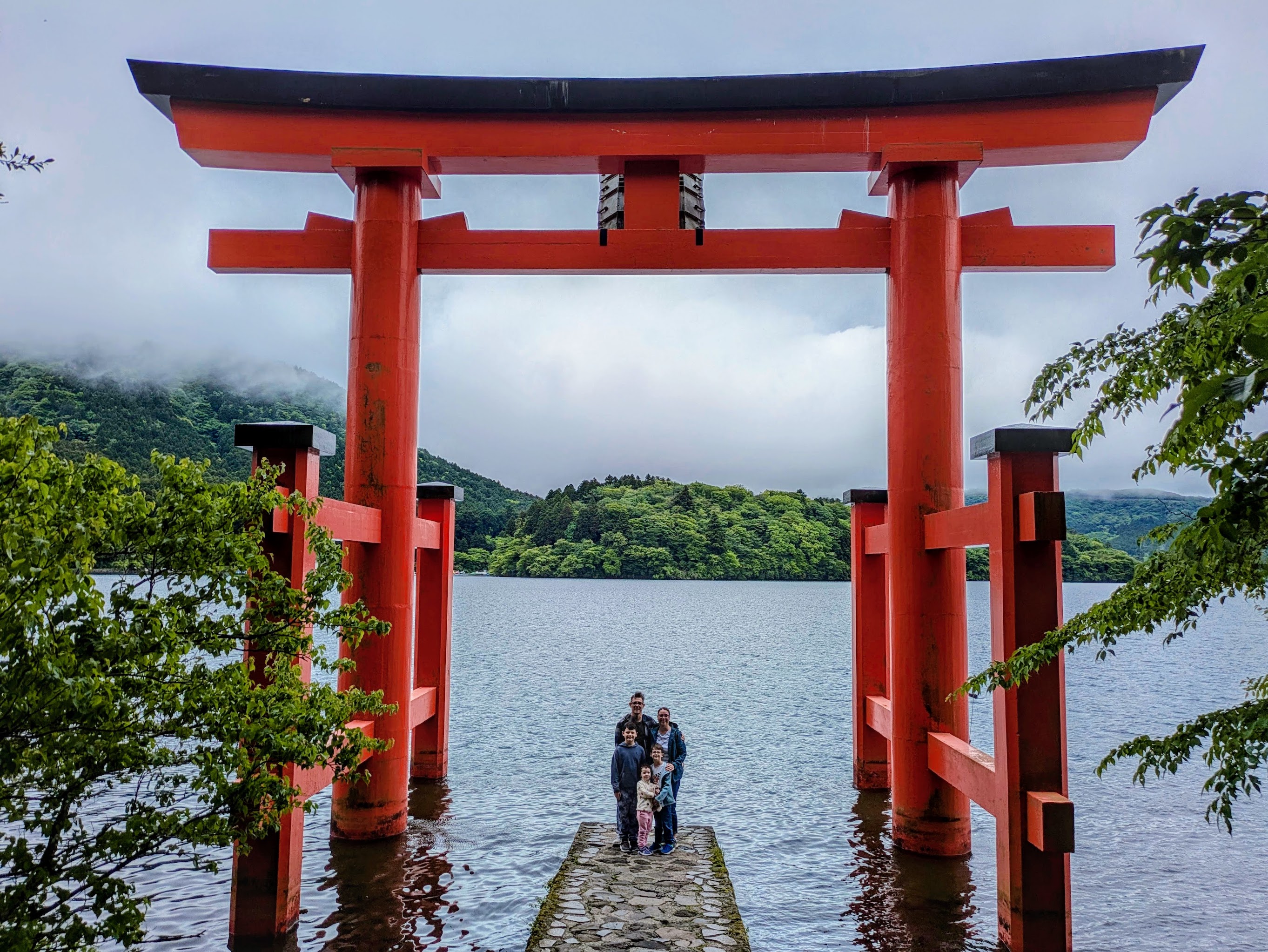
Japan’s major cities are incredible, but they demand a lot from you. Every day involved hundreds of tiny decisions. Which train line do we need? Where is the correct platform? Is everyone still with us? Where can we stop for lunch? How long is this queue? Do we have enough energy for one more attraction today?
Add three children into the mix and there were times when it felt like our brains were running at full capacity from the moment we left the accommodation until we collapsed into bed each night.
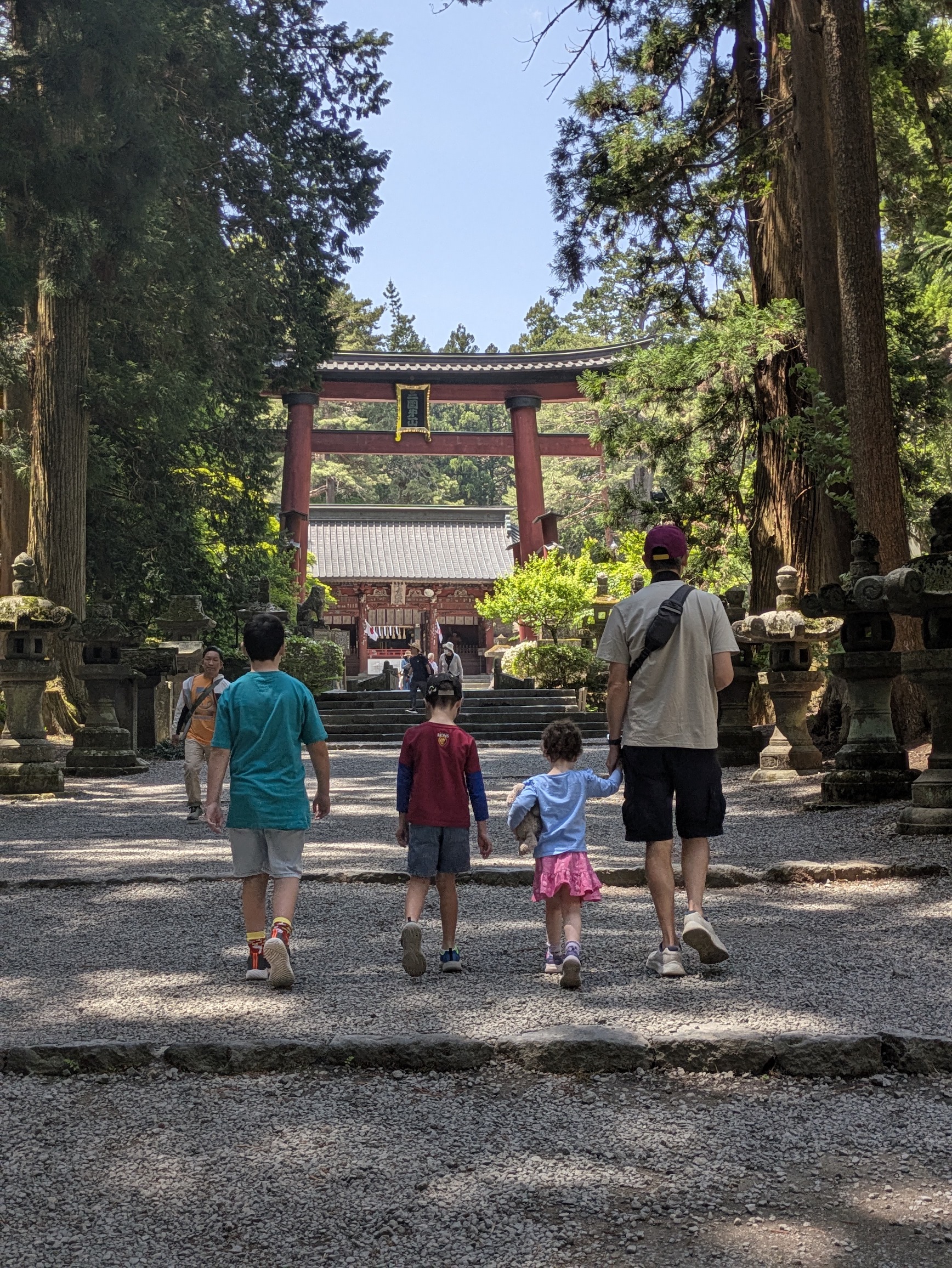
The quieter areas seemed to remove that pressure almost immediately. We weren’t constantly checking maps or watching crowds. The kids had room to move, room to explore and, perhaps most importantly, room to make a bit of noise without attracting disapproving looks from strangers.
Nobody was asking when lunch was. Nobody was threatening to collapse dramatically on the footpath because they’d walked approximately twelve metres too far. Nobody was arguing over whose turn it was to press the pedestrian crossing button. For brief periods, we looked suspiciously like a family who had their life together.
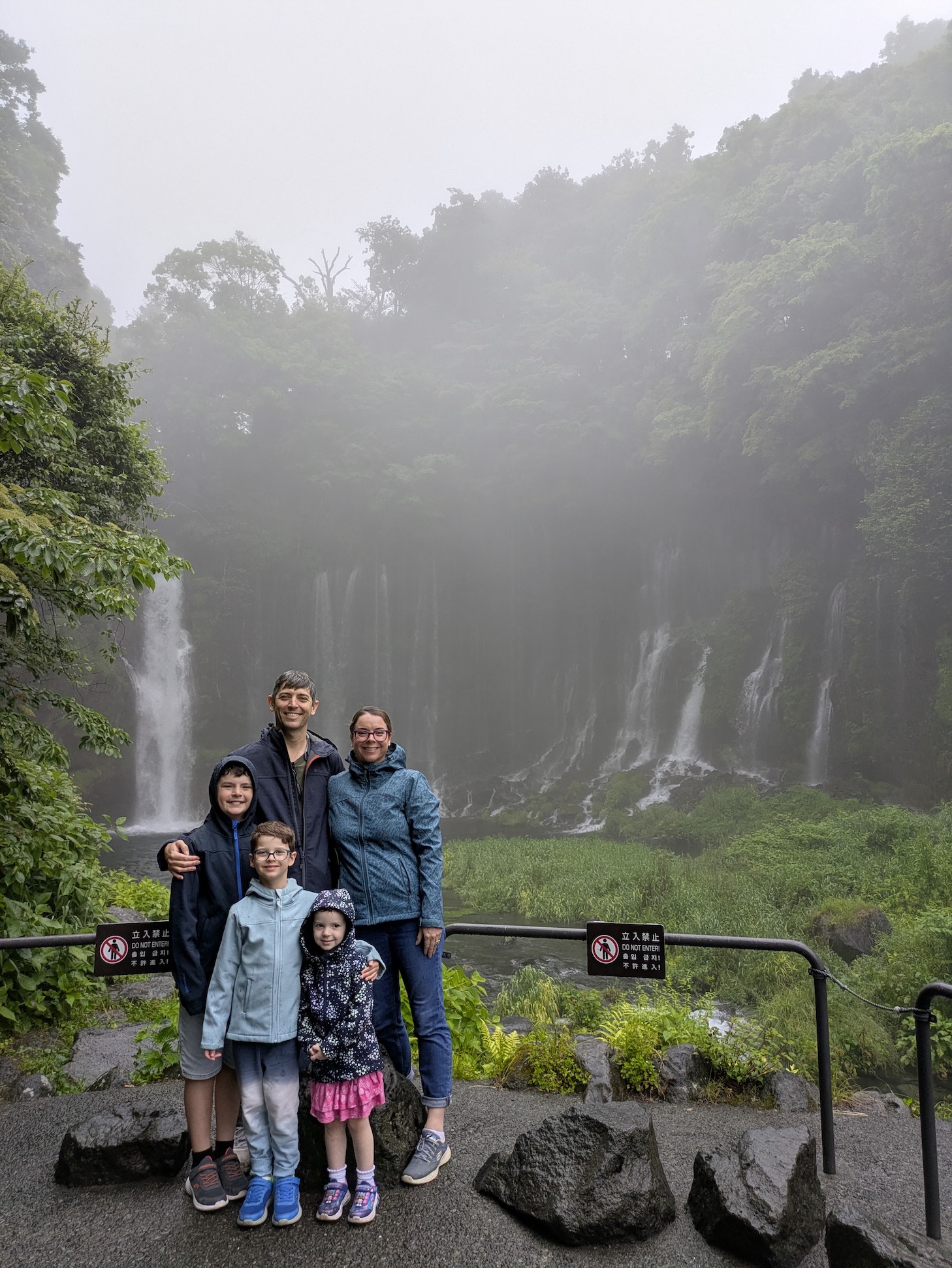
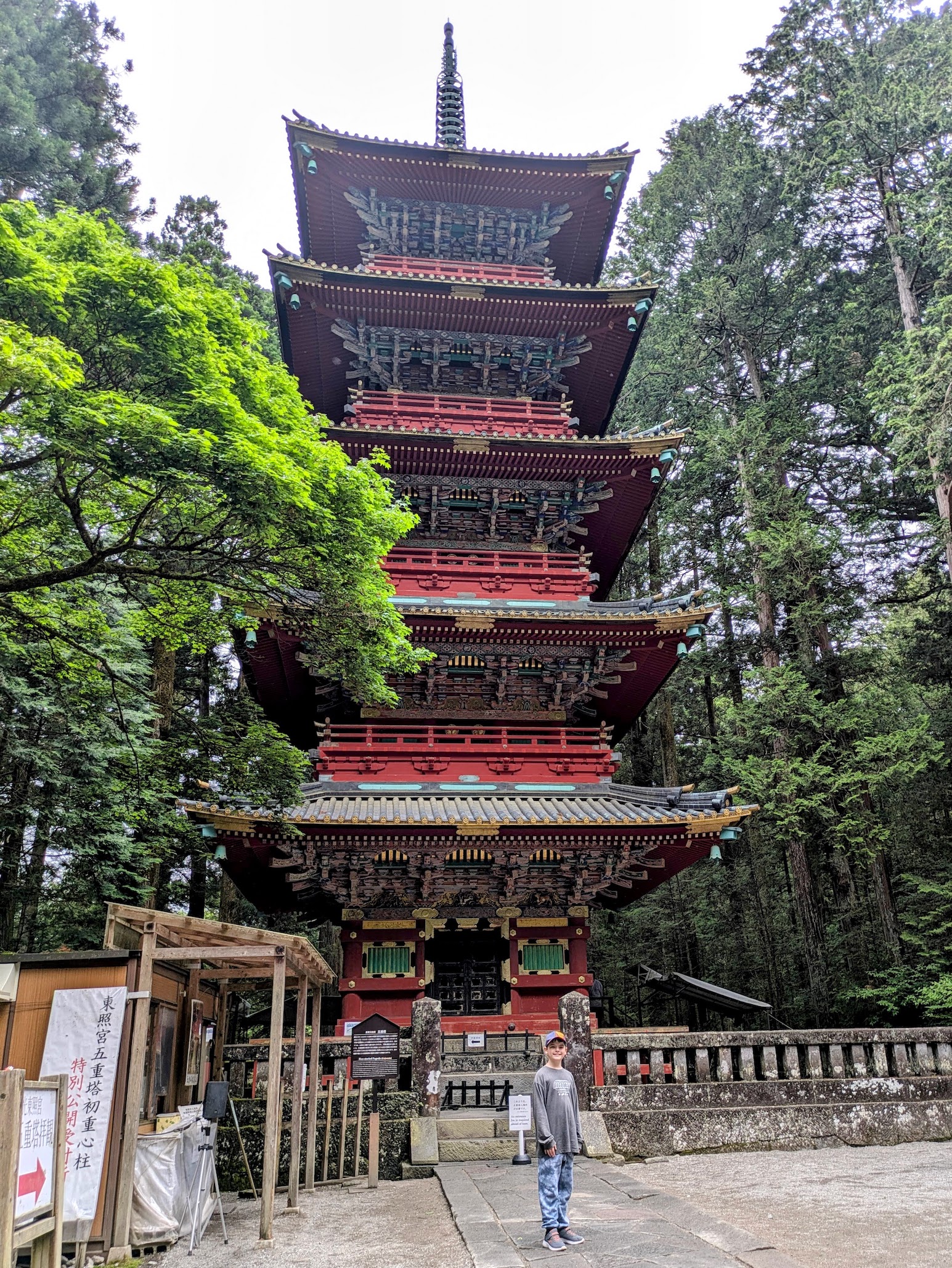
Nikko ended up being the place that captured this feeling best. When we were planning the trip, Nikko was one of those destinations that looked beautiful in photographs, but I hadn’t expected it to become one of the highlights of our entire holiday. In reality, it was exactly the type of place we needed by that point in the trip.
The scenery is spectacular, but what struck me most was the atmosphere. There was a peacefulness there that really appealed to us. We spent our days driving around Lake Chuzenji, visiting waterfalls, wandering through forests and stopping whenever we felt like it.
If somebody wanted to spend ten minutes throwing rocks into a lake, that was fine. If we spotted something interesting and decided to stop, that was fine too. It was probably the least scheduled part of our entire holiday and, not coincidentally, one of the most enjoyable.
One afternoon we walked through Kanmangafuchi Abyss, following the river past rows of stone Jizo statues disappearing into the distance. Another day we stood at Kegon Falls watching the water crash into the gorge below. None of these experiences were particularly flashy. They weren’t the kinds of places that attract huge crowds of influencers posing for photos. They were simply beautiful places that encouraged you to slow down and pay attention to what was around you.
Perhaps that’s why these destinations ended up meaning so much to us. When you’re travelling with kids, it’s easy to become focused on logistics. Getting everyone fed, getting everyone to the next destination, making sure nobody gets lost, making sure nobody melts down. Somewhere along the way, travel can start to feel a little bit like project management with better scenery.
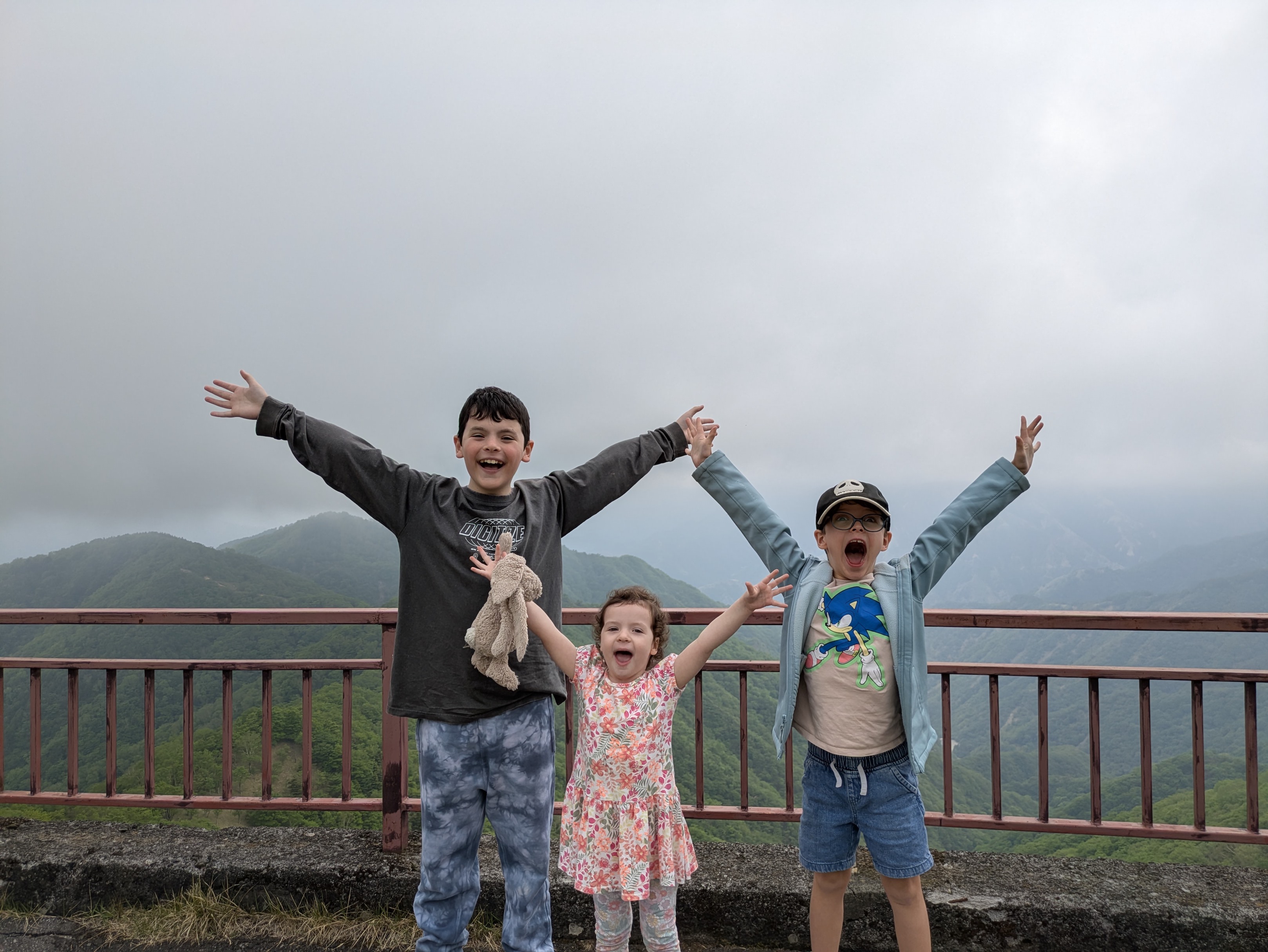
The quieter parts of Japan reminded us why we put ourselves through it in the first place. Watching the kids try unfamiliar foods, learn bits of Japanese, explore forests, stand in awe of Mount Fuji and experience a completely different way of life felt far more valuable than ticking another attraction off a list.
If we ever return to Japan, and I sincerely hope we do, I suspect our itinerary will look very different. I would happily trade a few days in Tokyo or Kyoto for more time around Mount Fuji, Hakone and Nikko. More importantly, I’d love to venture beyond the Golden Route and explore places like Wakayama, Beppu and Shikoku, the destinations that don’t always make first-time itineraries.
For families in particular, I think these places offer something incredibly valuable. They provide breathing room. They give children a chance to run, climb, explore and simply be kids. They give parents a break from the constant logistics that come with navigating some of the busiest cities in the world. Most of all, they showcase a side of Japan that is every bit as memorable as the neon lights and famous tourist attractions.
Japan exceeded our expectations in many ways, but this trip taught us something we weren’t expecting. We’ve realised that, at least while the kids are still young, nature wins every time.
Not camping. We still enjoy a proper bed, a hot shower and a few creature comforts…but lakes, forests, waterfalls and mountains seem to bring out the best in all of us.
Long after the crowded train stations, queues and busy city streets have faded from memory, I suspect we’ll still remember driving around the base of Mount Fuji, standing beside Lake Chuzenji and listening to waterfalls crash through the forest. Those were the moments when everyone relaxed, everyone smiled and, for a little while at least, family travel felt effortless.
Read more:
Malaysia
The Reality of Travelling with Kids
The Mental Load is Real
Have you experienced the most amazing family holiday…or are you trying to recover from one?
Join the conversation and share the love below!
Project management with better scenery. Fantastic description Shan. A great read. ❤️